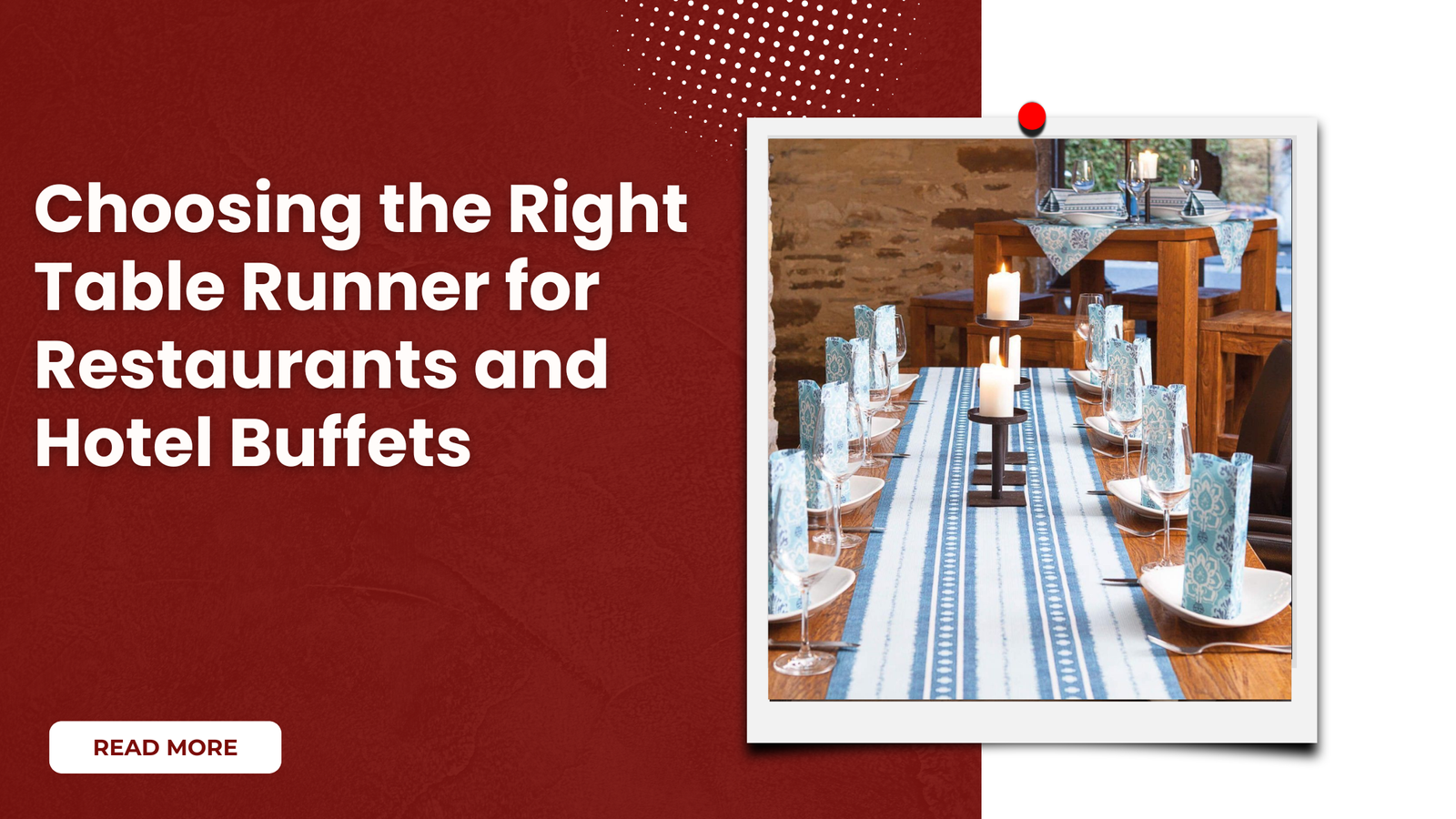
The perfect restaurant or hotel dining experience starts with an exquisitely set table; the cutlery, crockery, and glassware are all important contributors, but there is another key element that is often overlooked when it comes to creating the ideal environment: the table runner. Properly selected restaurant table runners will enhance the experience by improving the overall mood at your establishment, while also providing an element of sophistication to the overall dining atmosphere for both regular patronage and special occasions. Therefore, it is essential to select the right Table Runner for Restaurants to ensure you provide a consistent approach to presentation, guest satisfaction, and hospitality businesses’ approach to presentation.
This in-depth guide will help you to choose the ideal table runner in different types of hospitality environments (restaurant, hotel dining areas, buffets) based on a number of factors including fabric choices, sizing, colour(s), care, contemporary trends and relationships with table runner suppliers.
The Role of Table Runners in Restaurants and Hotels
A restaurant or hotel table runner is more than just a nice accessory. It serves dual purposes, both for functionality and aesthetics. It creates a division of space, protects the table from hot food and alcohol, and enhances the experience of dining. Many hotels and restaurants use table runners to define the middle of the table and create visual alignment with the other items on the table for breakfast, lunch, dinner, and buffet service. In addition, many times you’ll find a table runner under a hotel or restaurant’s “Theme” for that service.
The table runner adds instant warmth to wooden tables, elegance to glass tables, and an overall sophisticated look to Banquets. So, a hotel or restaurant looking for a very minimalist way to enhance its dining room can often go with a table runner. It can give a very balance and complete look to the table, as opposed to covering the whole table, which is the common way table runners are used. Therefore, it’s not uncommon to see many hotels and restaurants use them as a way to showcase their beautiful furniture.
Different Uses of Table Runners in Hospitality
In addition, table runners serve several different functions within hospitality and understanding what that use is will enable you to select the appropriate runner.
1. Everyday Dining
Restaurants, coffee shops, and all-day diners in general use runners, not only for their decorative qualities but because they are a cost-effective way to provide an attractive finish to tables without the expense associated with full tablecloths.
2. Fine Dining
Conversely, the more sophisticated establishments tend to offer table runners in order to create an elegant atmosphere. Table runners made from luxurious fabric, such as satin or blended cottons, create a mood that complements fine dining service, and high-end tableware and decor.
3. Hotel Buffets
Many hotels now offer buffet-style setups for breakfast, brunch, etc. Buffets tend to have long, heavy-duty table runners that are utilized to separate food items and, at the same time, provide the appearance of definition to the buffets, as well as provide protection to the tables from hot items and spills.
4. Events and Banquets
Hotels and venues that host weddings, corporate parties, and other social events will typically have numerous tables that will all need to be coordinated in color and theme. When dealing with this type of setup, the best way to accomplish this is via the use of custom table runners that have custom patterns and use premium-quality fabrics.
Types of Table Runners Used in Restaurants
There’s a lot of variety in table runners, which are specified for slightly different purposes or settings. Different types assist restaurants in selecting the best table runner style to suit their needs.
1. Solid Color Runners
This runner type is typically used in professional hospitality environments; it has a uniform appearance that can complement most types of interior.
2. Printed or Patterned Runners
Many restaurants that have a particular theme or identity use printed designs on their table runners to provide character and a signature style for their dining experience.
3. Buffet Table Runners
Buffet table runners are wider and longer than traditional table runners; they cover a larger area of the table and provide additional presentation for long tables that serve food.
4. Luxury Satin or Silk Runners
Luxury satin/silk runners are typically use for special events, advance fine dining restaurants, or at formal banquet facilities; their fabrics create a sophisticated and elegant look.
5. Rustic Cotton or Jute Runners
Rustic cotton/jute runners are the perfect choice for coffee houses, restaurants that serve organic food, and other themed dining concepts; their natural textures create a warm and inviting ambiance.
Choosing the Right Fabric for Table Runners
Fabric selection is among the most important considerations when selecting table runners for restaurants. This is because restaurant dining environments generally undergo lots of washing processes, accidental spills and stains, therefore, the fabric selecte should also be durable as it will most likely be used, or laundered, very often.
1. Polyester
Due to their low maintenance, high durability, and stain resistance, polyester table runners are one of the most popular types of restaurant table runners. They also dry quickly, and hold their shape very well, which makes them great for everyday use in restaurants.
2. Cotton
Cotton table runners offer a natural premium look, and an excellent breathability. They are great for restaurants that want a soft, organic look. However, due to their care and upkeep, cotton runners may take a little more care and attention than polyester runners.
3. Satin
Satin runners work as an excellent table runner option for upscale, wedding, and banquet styles. With their shiny, smooth appearance, satin runners contribute to the overall bridal look, but due to their delicate nature, they may not be suitable for heavy daily wear.
4. Blended Fabrics
Cotton and polyester blended fabrics bring the best properties of both cotton and polyester together. These fabrics provide the soft feel of cotton along with the durability of polyester, and make an excellent choice for high-volume restaurants.
5. Jute or Burlap
Jute or burlap make great options for rustic/vintage/ or themed dining spaces. Although they are charming and rustic in appearance, they are not as stain-resistant as synthetic blended table runners.
Choosing the Right Size for Table Runners
The size of the table runner will have an impact on how it is perceived when on the table. The dimensions of the table runner must match the dimensions of the table so that the overall appearance will enhance the table setting.
A standard dining table with an average height should have runners that hang approximately 6-8 inches from the edge of the table, and the length of the runner should also hang at least 6-8 inches from the edge. A table runner that hangs 6-8 inches from the edge will add to a sense of elegance to the overall presentation of the table without creating an inconvenience to the guests seated at the table.
For buffet tables that are very long or have many additional dishes displayed, table runners should be much longer and wider than those used for regular dining tables. Buffets usually require table runners that are at least the same width as the tables they cover. Custom designs will need to be create to ensure that they fit properly across the table and will be determined by the lengths of each side of the buffet table.
Selecting the Right Colors and Designs
Colors play a major role in the ambiance of a dining establishment. It is important for a restaurant and/or hotel to choose colors that are appropriate for their theme, brand, and decor.
Color selections can have a profound effect on the dining experience. A neutral color, for example, such as white, cream, gray, or beige will give a clean and modern appearance and is best suite for fine dining establishments and luxury hotels. Bold colors such as navy blue, maroon, and rich greens give a rich and warm appearance and are appropriate for traditional or culturally based dining experiences.
In addition to these examples of use, many hotels utilize table runners with seasonal themes. For example, some hotels change their table runners for each festival/event/corporate gathering, etc. Utilizing the hotel’s brand colours on the table runners as well as a subtle logo embroidery helps establish a consistent brand presence among customers.
Using Table Runners in Hotel Buffets
When used as part of the setup for buffets, table runners serve more than a decorative function, as people expect the setup of a buffet to be clean and organized while also being visually appealing and mostly uniform. The use of table runners across a long serving table establishes clean breaks between sections of food and thus, makes it easy for the guest to know where to find what food they want.
One of the main functions of buffet runners is providing an easy-to-clean surface as food spills are common on buffets. In order to conceal the appearance of any food spills during service, the preferred table runner fabric for buffets is typically dark and/or has a pattern. The right buffet runner will also compliment the theme of the event and/or the dining area.
Maintenance Tips to Extend Linen Life
The proper care of your linens will help them to remain in good condition for longer and ultimately reduce costs while maintaining the high standards of professionalism expected in the restaurant and hospitality industry. Restaurant linens will typically see significantly greater use and be wash more frequently than the typical decorative linen used in a home.
Washing table runners with cold or lukewarm water will help prevent fading or shrinking caused by heat. When treating stains, do it as soon as possible to have the best chances for success. Mild detergents can help preserve both the strength of your fabrics as well as the colours they display. Be careful not to subject linens to excess heat during the drying process; this could cause the fibres to weaken. If you are drying delicate fabrics (i.e.: satin) it is best to hang them out to dry. Also, polyester table runners typically require only minimal ironing, whereas cotton table runners may need to be lightly pressed for a crisp look.
In addition to cleaning, proper storage of table runners is important. All table runners should be neatly folded or rolled to help prevent the formation of creases. It is best to store your table runners in a clean, dry place in order to preserve their quality.
Current Trends in Table Runners for Restaurants
As the restaurant and hospitality industries change, so too do the types of table runners that people are using. Modern day restaurants and hotels are now focusing on creating table designs that are flexible and sustainable, with items being brand or customise.
There has been an increase in the use of eco-friendly materials, such as organic cotton and linen. Earthy tones, minimalist shapes, and soft textures are the current preferred options for table runners in modern styles of restaurants and hotels. Custom-branded runners are also a growing trend in the hotel industry, with many hotels using runners with embroidered logos or brands.
Layered Table Styling is becoming more popular in the hospitality industry. Many restaurants incorporate runners into their table setups through the use of placemats, candles, floral arrangements and even themed pieces. In Buffet Setups, Restaurant’s often use contrasting or bold colored runners to identify food areas and create a more colorful presentation of the food offerings.
Choosing the Right Supplier for Table Runners
When selecting a supplier for table runners it is important to choose one that can ensure consistency in quality, provide timely deliveries, and has the capability to meet the demands of bulk order requirements. Restaurants and hotels should work with suppliers that provide fabrics for the hospitality industry and have experience with fabrics suited for Commercial Use.
A reliable supplier will provide a durable fabric that offers a good long lasting use option. In addition, they should be able to provide a variety of customization options and the ability to provide a consistent color match in each batch of fabric. The experience of working with a supplier who provides export services will also benefit hotels and restaurant chains who have multiple locations in various countries.
Conclusion
When choosing a Table Runner for restaurants it is essential that the runner combines with the existing interior of the restaurant, aligns with the theme of the restaurant, and is able to withstand the rigorous use of the restaurant and hospitality industry. By selecting the correct fabric, size, color, and supplier, restaurants can create a dining area that is not only beautiful but also reflects their commitment to excellence.
A good table runner is one that enhances and complements the dining environment, and has been chosen to reflect the theme of the restaurant. For example, the type of fabric, size, color, and supplier will create a dining experience that looks elegant and displays the restaurant’s commitment to attention to detail and quality.
FAQs
The most popular fabric for restaurants is polyester because it is designed for hospitality and is stain-resistant, durable, and easy to care for; however, cotton or linen blends are acceptable for premium or fine dining establishments.
A table runner should typically hang six to eight inches beyond either end of the table’s length. In cases of buffet style service, longer and wider runners are recommended due to the amount of space they will cover when placed on extended serving tables.
Yes. Runners add something special to the overall dining experience without having to use tablecloths. Additionally, table runners provide a layer of protection on the restaurant’s tables from food spills and abuse and allow for continuity of style and presentation.
Use only mild detergents, avoid bleach or harsh chemical-based products/cleaners, Use cold or lukewarm water to wash, and use the low heat setting for drying. Treat any stains as soon as possible and store table runners in a dry place.
Yes. Many suppliers offer custom colors, embroidery, logos, and sizes. Customized table runners help reinforce brand identity and create a cohesive dining experience.
Room Linen Maintenance Tips to Extend Linen Life and Reduce Costs

F&B Linen Trends for 2025: Colors, Fabrics & Designs Hotels Love
Related Post
F&B Linen Manufacturer in Kota: Why Sanjeev Textiles Is the Right Partner for Your Hotel or Restaurant
- Posted December 22, 2025
- by admin
Top F&B Linen Exporter to Middle East: Why Hotels Choose Indian Manufacturers
- Posted December 5, 2025
- by admin
F&B Linen Trends for 2025: Colors, Fabrics & Designs Hotels Love
- Posted December 5, 2025
- by admin