In the hospitality business, the guest experience is paramount – and room linens play one of the biggest parts in that experience. Clean, soft bed sheets, pillow covers, duvet covers, and blankets with a fresh smell all convey comfort and professionalism almost instantly.
However, if room linen in hotels, resorts, or guesthouses is not properly managed, it can be costly to keep clean. While high-quality linens represent a long-term investment, even premium linings can constructively break down without the proper care and maintenance. Shrinking, color loss, stiffness, pilling, and early tearing are among the many issues that limit linen life, and lead to excess replacement costs.
This document describes smart, proven room linen maintenance tips that will help hospitality businesses extend linen life, reduce costs, and provide higher levels of guest satisfaction, while housekeeping becomes more efficient.
Why Proper Room Linen Maintenance Matters
1. Cost Savings
Room linen is a significant budget item for housekeeping. Improper laundering, chemicals and handling reduce the lifespan of linens, requiring them to be replaced more often.
2. Better Guest Experience
Properly laundered linens will feel soft, look clean, and smell fresh for a longer period of time. Guests notice linens immediately, and the quality of their linens will have a lasting impact on their reviews and whether they want to return.
3. Operational Efficiency
Properly cared for linens reduce the cycle time in the laundry, alleviate any concern for linen shortages, and improve the workflow in housekeeping.
4. Hygiene & Safety
Proper laundering practices ensure linens are free from germs, stains and odors; all critical for a guest’s health and reputation of the hotel.
Top Room Linen Maintenance Tips to Extend Linen Life & Reduce Costs
1. Invest in High-Quality Linen from Trusted Manufacturers
The journey of a room linen lifecycle starts with the initial quality. Using the best quality linen fabric from a reputable linen manufacturing company will ensure that quality and performance are at an optimum level, plus will ensure softness and durability after several wash cycles.
Look for linens with:
- High thread count (TC)
- Combed, ring-spun cotton
- Double-stitched hems
- Fade-resistant dyes
- Strong GSM value
- OEKO-TEX certification
Better-quality room linens withstand heavy hotel usage and laundering cycles without deteriorating.
2. Pre-Wash Linen Before First Use
New linens may contain finishing agents and factory residues. Pre-washing:
- Improves softness
- Removes odors and chemicals
- Enhances absorbency
- Increases durability
Use mild detergent and avoid hot water during the first wash.
3. Sort Linens Before Washing
Sorting helps prevent color bleeding and fabric damage. Separate:
- Whites
- Light colors
- Dark colors
- Delicate fabrics
- Towels (should never be washed with bedding due to lint transfer)
Proper sorting keeps linens bright and reduces wear and tear.
4. Use the Right Detergents and Chemicals
Harsh chemicals are one of the biggest reasons linens get damaged. Choose:
- pH-neutral detergents
- Mild fabric-safe bleach
- Enzyme-based stain removers
- Optical brighteners for whites
- No fabric softeners (they reduce absorbency)
Overuse of chlorine bleach causes fibers to break, reducing linen life significantly.
5. Maintain Optimal Washing Temperatures
Temperature matters—too high damages fibers, too low fails to sanitize.
Recommended temperatures:
- 60–70°C for white cotton sheets
- 40–50°C for colored linens
- 30–40°C for delicate items
Avoid overheating, which causes shrinkage and weakens fabric strength.
6. Avoid Overloading the Machine
Overloading leads to:
- Unclean washing
- Excessive wrinkling
- Fiber friction
- Shortened linen lifespan
Give enough room for movement inside the drum to clean and rinse properly.
7. Address Stains Immediately
Stains will become permanent if they are not dealt with quickly, and staff should be trained to recognize stains when linens are collected.
Use:
- Cold water for blood, body fluids
- Enzyme detergents for organic stains
- Mild alkaline solutions for oils and make-up
Instead, practice blotting, which is much more effective and gentler on linens.
8. Ensure Proper Drying Practices
Over-drying or heating linens too high in a dryer may damage the fibers.
Best practices:
- Tumble dry on low-to medium heat
- Remove linens when slightly less than fully dried
- Air dry when possible
- Avoid sun-drying colored linens (causes fading)
- Proper drying will reduce shrinking and stiffness.
9. Ironing & Pressing Correctly
Ironing is part of presentation and linens should always be ironed with care.
- Steam ironing on medium heat is more effective for a clean finish.
- Always avoid too much heat with polyester blends.
- Always iron hems and edges to maintain mold and shape.
- Never iron linens that have a stain (the heat can set the stain)
- If linens are ironed in a professional manner, it can improve the longevity of the quality of fabrics.
10. Handle Linen Gently During Housekeeping
Anonymous damage from handling linens is one of the major reasons linens are written off before their time has come.
Housekeeping should be trained to:
- Avoid dragging sheets on the floor
- Never pull linens forcefully from the mattress
- Always fold linens with care and properly
- Never use open trolleys to transport your linens, instead, use linen bags.
11. Follow a Linen Rotation Strategy
Linen rotations allow for linens to be used evenly. Hotels generally follow a plan such as the following:
- 3-par system (1 in use, 1 in laundry, 1 in storage)
- Barcode or RFID tracking to monitor usage cycles
Uniform wear prevents certain sets from being overused.
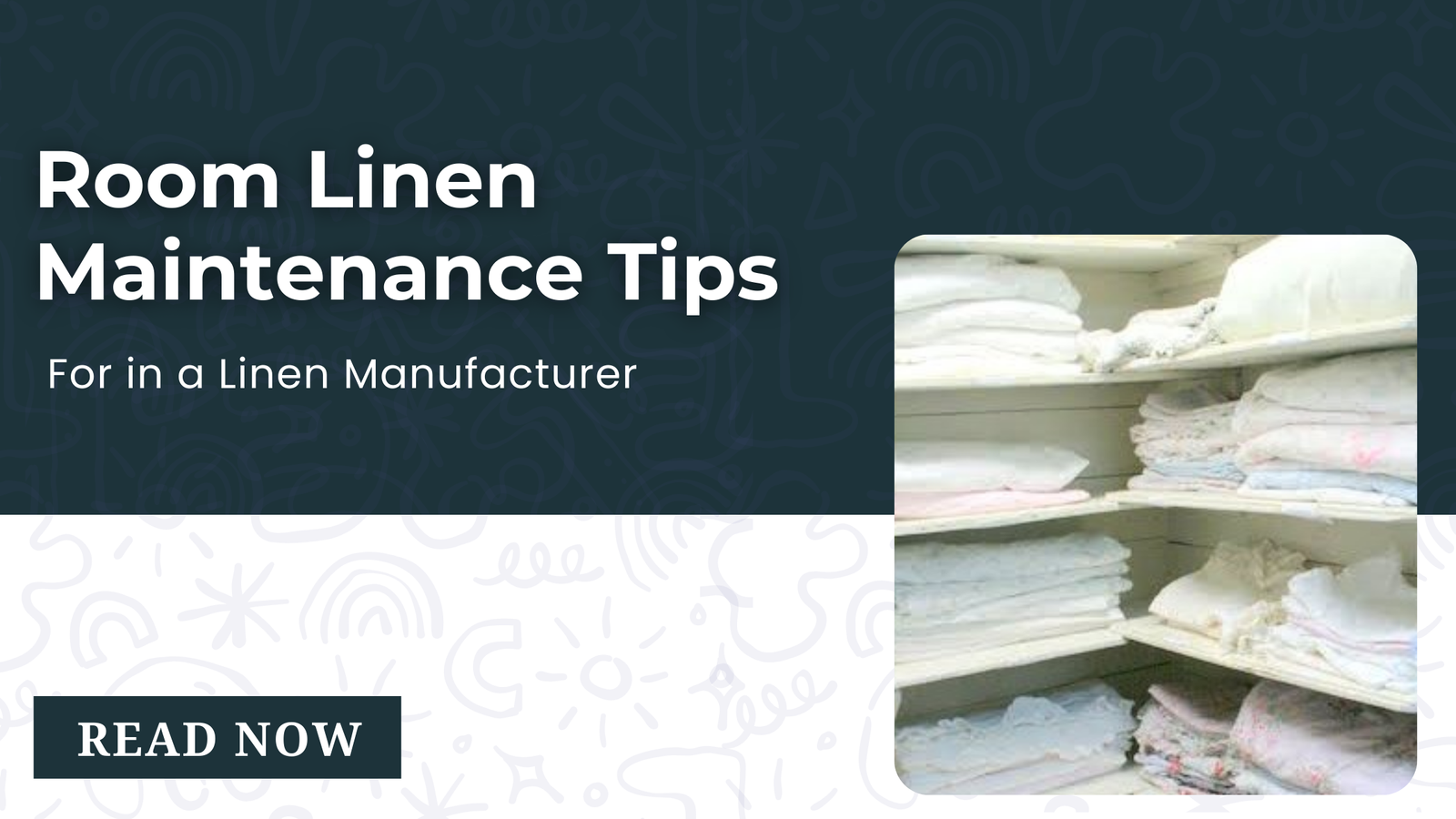
12. Store Linens the Right Way
Improper storage can damage even well-maintained linens.
Store in:
- Cool, dry, sanitized areas
- Closed linen cabinets
- Shelves with dust protection
- Low-humidity zones to prevent mold
Do not store linens near chemicals, cleaning supplies, or kitchens.
13. Conduct Regular Linen Inspection
Check linens weekly for:
- Tears
- Stains
- Fading
- Loose stitching
- Pilling
Repair small issues to prevent complete damage.
14. Replace Damaged Linen at the Right Time
Do not wait until linens are extremely worn. Using damaged linen affects guest perception and reviews.
Signs for replacement:
- Permanent stains
- Rough texture
- Visible thinning
- Excessive fading
- Loss of softness
Retire old linens for backup uses like cleaning rags or training stock.
How Proper Linen Maintenance Reduces Overall Costs
- Fewer replacements needed
- Less energy and water in the laundry process
- Less chemical usage
- Higher guest satisfaction (which means more revenue!)
- Better productivity for housekeeping staff
- Superior durability means no fluctuation in your operating budget
With an effective maintenance plan in place, hotels can save anywhere from 20% to 40% on linen replacement costs annually.
Role of a Good Linen Manufacturer in Linen Longevity
Choosing the right hotel linen manufacturer is as important as the quality of your maintenance.
A good manufacturer will give you:
- Fabrics that will withstand commercial laundry usage
- Higher thread count and GSM
- Shrinkage control that has been pre-tested
- Stitching that will last the entire life cycle of the linen
- Pilling resistance
- Colorfast dyes that will last many washes.
Manufacturers such as Sanjeev Textiles offer hospitality grade linens designed for heavy-duty bed usage.
Conclusion
Room linen maintenance isn’t just about washing – it is about creating a system in place to provide the highest quality wash, the utmost in cleanliness, the perfect comfort for guests, along with the long-lasting life of linens, and lower operating costs.
With the proper wash, handling, quality chemical usage, and rotation plan, hotels can effectively increase the life of the linens significantly.
If you layer on the quality of linens from the start with the right maintenance in place, you can expect better guest experience, better reviews, and savings for your property.
FAQs
Typically every 12–18 months, depending on usage, quality, and maintenance practices.
For durability and softness, 200–400 TC is ideal for hospitality-grade cotton sheets.
Use pH-balanced detergents, avoid chlorine bleach, separate colors, and use optimal washing temperatures.
No, softeners damage fibers and reduce absorbency. Use mild, linen-safe detergents instead.
Use cold water initially, apply enzyme-based stain remover, and avoid hot water until stains are treated.
Why Indian Linen Manufacturers Are the Global Choice for Hotels

Related Post
Why Indian Linen Manufacturers Are the Global Choice for Hotels
- Posted November 18, 2025
- by admin
F&B Linen Maintenance: Keeping Your Dining Area Spotless and Stylish
- Posted November 18, 2025
- by admin
Bath Linen Buying Guide: Towels, Mats, and Robes That Impress Guests
- Posted November 7, 2025
- by admin